
Who Controls the Climate Narrative — and Why It’s Failing Us
Three systems show how power distorts climate truth and delays action.

The understanding that who controls the story shapes what is possible, who is believed, and which realities are taken seriously sits at the heart of narrative power. Storytelling is not peripheral to climate politics; it is core infrastructure. And right now, the systems shaping the climate narrative are reinforcing delay + distraction, protecting the status quo, and narrowing the scope of what real climate action can look like.
Here are three recent examples of how that power is operating right now.
1. Fossil Fuel Stranglehold at COP30
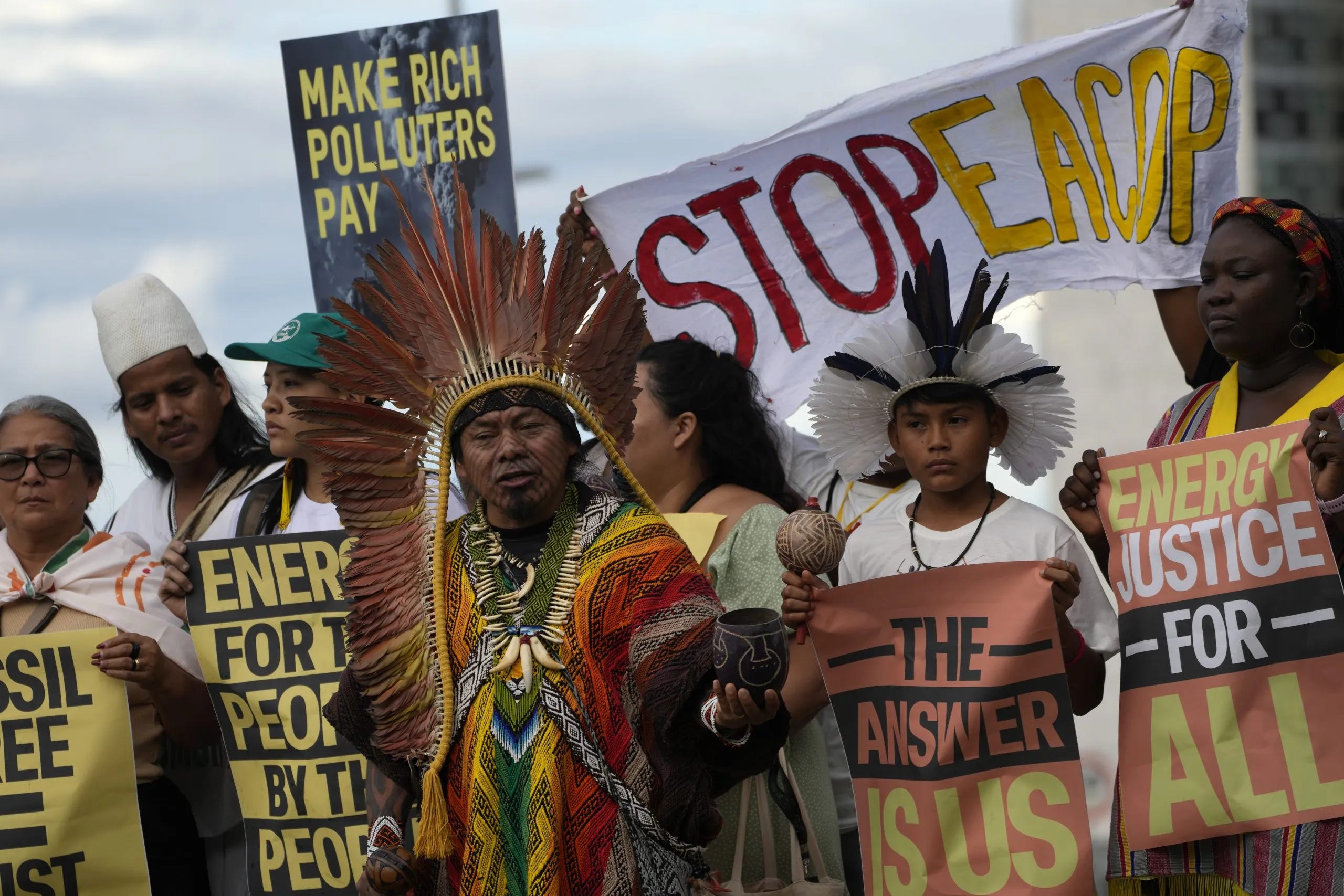
COP30 closed with stalled progress on fossil fuel phase-out, deforestation, and climate finance — and for those of us who have been doing this work for years, this came as no surprise. Few of us hold our breath for COP and summits out of the UN anymore, especially when the 2025 summit was hosted in a city built partly atop rainforest cleared for summit infrastructure.
While COP30 was publicly framed as a moment of global climate leadership and even branded by some outlets as “Indigenous COP,” the negotiating floor told a more familiar story. More than 5,000 fossil fuel lobbyists have been granted access to UN climate talks over the past four years, and for COP30, that mean 1 in every 25 attendees was affiliated with the fossil-fuel industry. These representatives, tied to oil, gas and coal companies across the supply chain, have been allowed to participate in the very negotiations where governments are meant to show good faith in reducing fossil fuel reliance.
It is the equivalent of inviting tobacco executives to shape policy at a global health summit.
At the same time, Indigenous nations — despite carrying generations of land-based climate solutions and stewardship practices — continue to struggle for meaningful access, influence, and visibility inside these spaces. The contradiction is stark: a process increasingly defined by the presence of the industries most responsible for climate breakdown, even as those most impacted remain structurally sidelined.
In recent reporting for The Nation, I examined how Edelman, the oil industry’s PR firm of choice, was hired to run marketing for COP. The piece raises serious questions about who is shaping the narrative of a summit meant to hold the fossil fuel industry accountable.
2. The Platforming of Climate Contrarians
Just weeks before this year’s COP, that same imbalance played out in a very different arena.
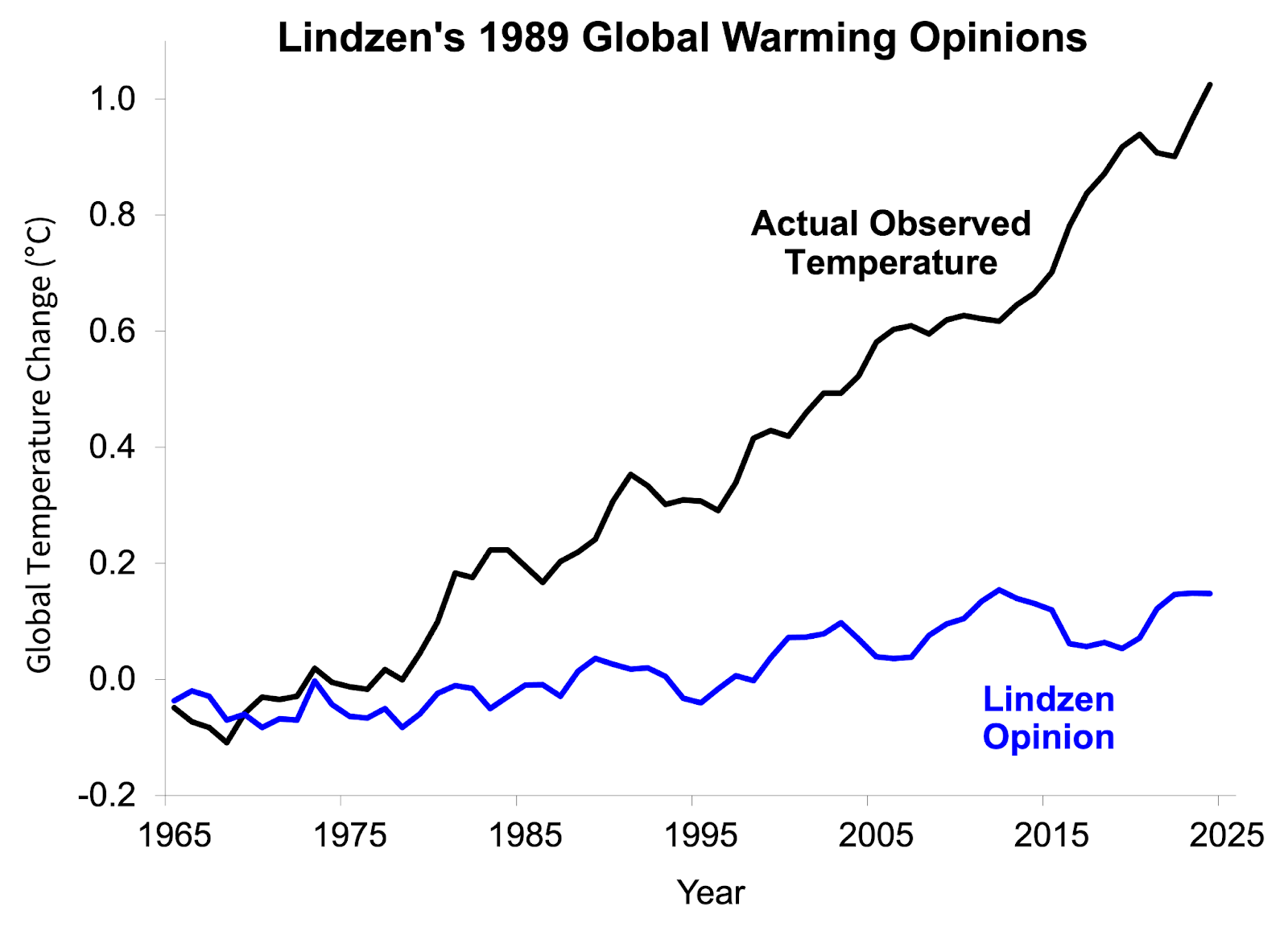
Joe Rogan, who hosts one of the most popular podcasts on Spotify and Apple Podcasts and maintains a combined following of roughly 50 million across YouTube, Spotify and Instagram, dedicated an episode to two long-standing fringe climate contrarians, Richard Lindzen and William Happer. Rogan’s platform has repeatedly given airtime to climate misinformation, making it a recurring site for misleading climate discourse.
As a podcaster + narrative strategist, this landscape is not lost on me. Podcasting remains overwhelmingly shaped by white male voices. A recent study of top U.S. podcasts found that 66.3% of hosts were men and approximately 79% were white, meaning a narrow demographic continues to hold disproportionate narrative power across the medium.
Over the course of a two-hour conversation, the trio revisited familiar climate myths and conspiracies — many of which Lindzen and Happer have been advancing since 2012. Outdated and repeatedly debunked arguments were reintroduced to millions under the framing of “reasonable skepticism” and open inquiry.
In this timely piece for Truthout: “The Right Funds Its Media. Can Progressive Philanthropy Meet the Moment?”, my colleague Lara Witt co-writes with Maya Schenwar, how rigorous, principled, independent media is fundamental to movement building. The right has long understood this. Progressive philanthropy, by contrast, has consistently underinvested in narrative infrastructure — particularly when that media challenges power rather than simply documenting it.
3. Philanthropy’s Gridlock
Which brings me to philanthropy, often framed as the counterweight to political failure, but in practice it operates as another gatekeeper of narrative legitimacy. A small circle of funders determines which climate stories are considered strategic, which voices are amplified, and which forms of resistance remain unfundable or too “radical” to support. The money is the scaffolding, but it also signals who gets to define what climate action looks like.
Research from the Just Returns Project reveals the depth of this imbalance. Only 3% of climate funding from major U.S. foundations reaches grassroots, community-led climate justice groups. The top five funders alone control roughly 40% of all climate philanthropy, most of which continues to flow to large, legacy institutions. At the same time, billions are directed toward false solutions such as carbon capture, geoengineering, and fossil-fuel-backed private equity. These approaches preserve extractive systems while projecting the appearance of innovation.
Even more troubling, some philanthropies with stated climate missions maintain fossil fuel investments that outweigh their actual climate giving.
Meanwhile, many frontline environmental and climate justice organizations operate with annual budgets under $5 million — and a third under $500,000 — yet they address a wide range of interconnected issues including economic equity, community development, and vital services, rooted in lived experience and local priorities.
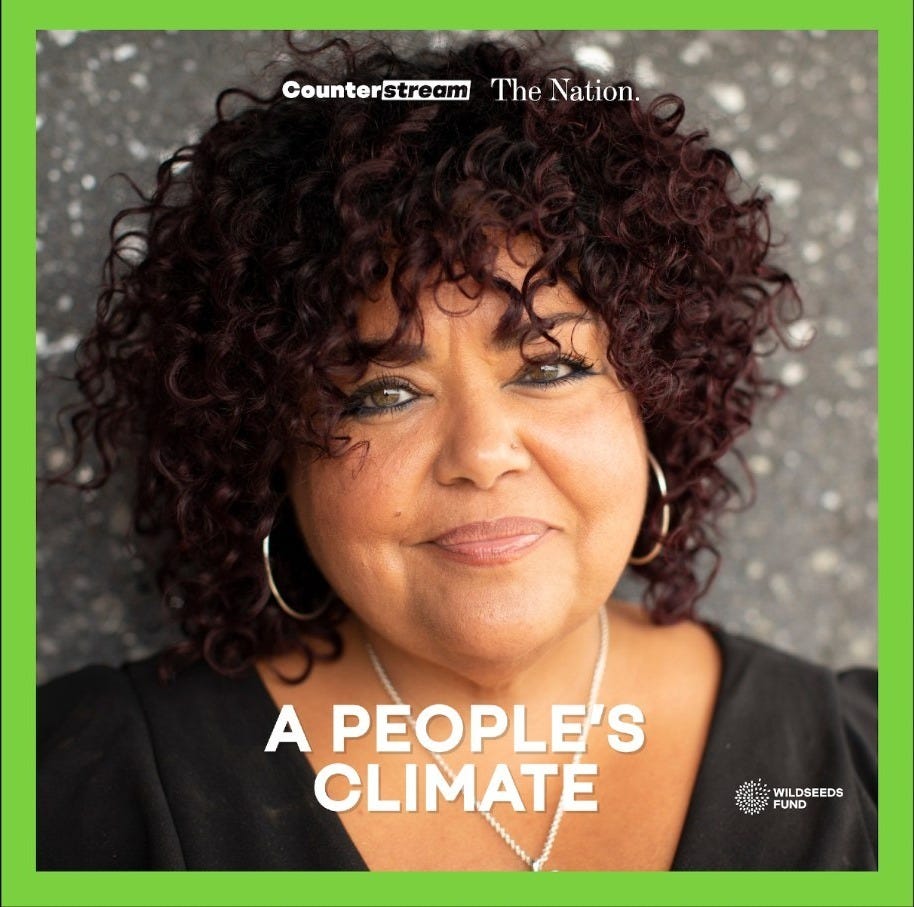
This reality is perhaps best embodied by leaders like Elizabeth Yeampierre from UPROSE, who I recently had on A People’s Climate. Her work demonstrates how deeply rooted, community-led solutions already exist despite philanthropic frameworks that were never designed for them.
This concentration of funding power shapes language, ambition and legitimacy. Mainstream non profit environmental orgs translate their work into frameworks that feel safe, measurable and politically palatable — even when that translation dulls or omits the urgency of frontline experience.
Across climate governance, media platforms and philanthropic systems, the same question keeps emerging: who gets to define what climate action looks like?
Counterstream Media was built in response to this imbalance. Our work centers movement media and frontline storytelling that does not flatten lived experience to meet institutional expectations. We invest in narrative infrastructure that rightfully treats frontline communities as our movements best analysts and leaders, not as sources to be mined or voices molded to institutional comfort. In a landscape where access is often mistaken for accountability, we aim to strengthen stories that remain rooted in those most impacted by the climate crisis and environmental harm. These are also the stories that are challenging dominant frameworks and demanding structural change.
Power today is increasingly exercised through narrative control: who gets the mic, who sets the agenda, and who decides what is realistic. That is why investment in narrative infrastructure is essential to power building. We’re grateful for the funding partners who support movement storytelling without diluting its political clarity or softening it for mainstream comfort.
The BLIS Collective’s latest report underscores the point: the question is no longer whether narrative + solidarity infrastructure matters, but whether those with the resources to support it are willing to treat it as central to climate strategy.